







Search Results for: Drip Speed
Why Isn't Cold Brew Coffee Sour or Astringent? A Detailed Explanation of Its Taste Characteristics, Brewing Method, and the Principles of Low-Temperature Aging
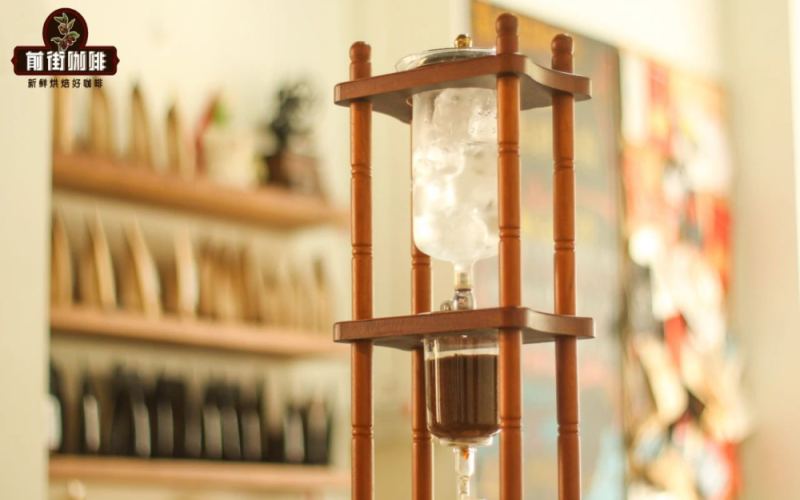
Ice drip coffee is known for its clean, full-bodied, smooth taste and rich fermented wine aroma, but many people mistakenly think it contains alcohol when they first encounter it. In fact, ice drip is a type of cold brew coffee, made by extracting drop by drop with ice water over a long period. Freshly made ice drip is not at its best for drinking; it needs low-temperature aging in the refrigerator to reveal its full fruity feel and wine aroma. Based on Front Street Coffee's production practice, this article explains in detail the coffee-to-water ratio, drip rate, aging time, and storage recommendations for ice drip, giving you a comprehensive understanding of the flavor sources and key production points of ice drip coffee. [more…]

From Grinding to 8 Hours of Refrigeration: A Complete Illustrated Guide to Making Cold Brew Coffee and a Detailed Explanation of the Coffee-to-Water-to-Ice Ratio
Following yesterday's sharing of the cold brew coffee method, today we turn our attention to the more challenging ice drip coffee. Compared to the simple soaking of cold brew, ice drip demands more attention to equipment, steps, and time investment, requiring more patience and meticulous operation. This article will use a combination of text and images to fully demonstrate the entire process of ice drip coffee, from equipment preparation, filter paper placement, coffee bed moistening, ice-water ratio, to drip rate control and refrigerated maturation, and will explain the 1:6:6 ratio of coffee powder to water to ice used this time and the Front Street recommended Honduras Sherry bean. Even without specialized ice drip filter paper, there is an alternative cutting solution. Follow the steps, and after a long wait, you can enjoy a cup of ice drip coffee with distinct layers. [more…]
A Complete Guide to Cold Brew Coffee: Key Parameters for Flow Rate, Grind, Ratio, and Aging Time
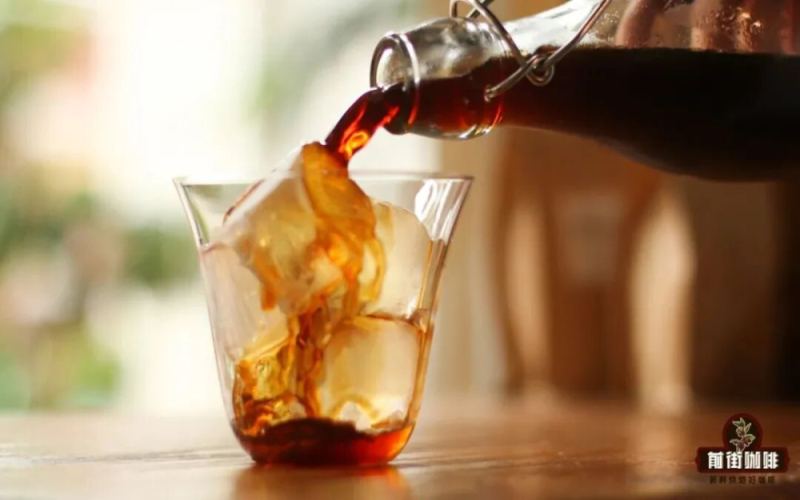
With its lengthy brewing process and distinctive flavor layers, ice drip coffee has become a representative of "slow work yields fine results" in the minds of many coffee enthusiasts. Unlike cold brew, ice drip relies on a dedicated device, extracting by having ice water drip through the coffee grounds one drop at a time, then undergoing refrigerated fermentation and aging to present a rich and smooth taste. Starting from Front Street's hands-on experience, this article breaks down in detail the four core variables of ice drip coffee—grind size, drip rate, extraction ratio, and aging time—and provides specific parameter recommendations to help you make a standard-quality ice drip coffee at home. [more…]
Ethiopian Natural Geisha Ice Drip Coffee: A Low-Temperature Slow-Brew Method That Restores the True Essence of Flowers and Fruit
Cold brew coffee is extracted slowly at low temperature with ice water, and after several hours of dripping, it can reveal a clean, smooth, and richly layered flavor. This article focuses on the Ethiopian sun-dried Grana Geisha, a floral-and-fruity bean variety, and shares a complete approach and parameters for making cold brew coffee at home: from the principles of cold brew, water speed control, and coffee-to-water ratio settings, to the specific data for Front Street Grana sun-dried Geisha, such as 60 grams of coffee, a 1:10 coffee-to-water ratio, and 5 drops per 10 seconds, and then to the operational steps of pre-wetting the coffee, laying filter paper, and refrigerated fermentation. Mastering low-temperature slow extraction and moderate fermentation can better highlight the citrus, honey, and floral notes of Geisha. [more…]
The Complete Guide to Ice Drip and Cold Brew Coffee: Brewing Key Points, Flavor Profile, and Front Street Coffee Bean Recommendations
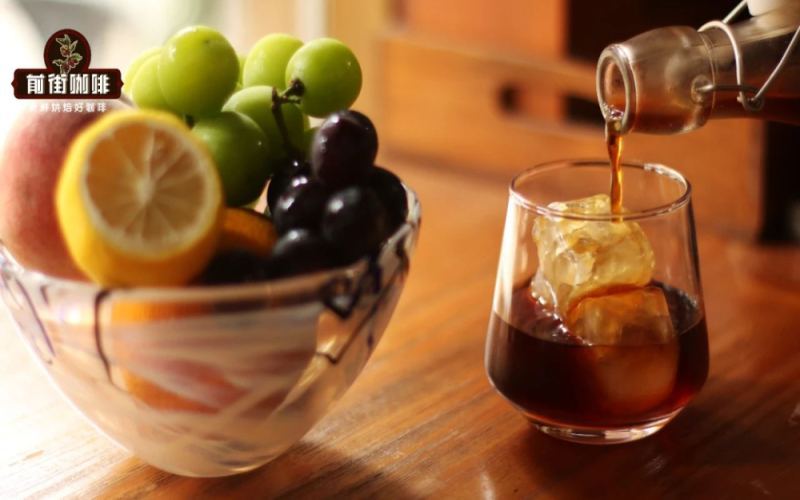
In the height of summer, ice drip and cold brew, these two low-temperature extraction coffees, have become popular choices among iced coffees thanks to their refreshing, smooth performance and full-bodied flavor. This article sorts out the Dutch origins and the Japanese and Korean trends of ice drip coffee, explains in detail the ice drip and cold brew preparation parameters of Front Street Coffee, covering key points such as grind size, coffee-to-water ratio, drip speed, and refrigeration time, and recommends specialty beans suitable for low-temperature extraction, such as Sherry, Fruit Ding Ding, Huakui, Huahudie Geisha, and Strawberry Candy. At the end, it also answers practical questions such as why cold brew should be refrigerated again for "aging" after it is made, and why it is recommended to finish drinking it within 5 days. [more…]
Analysis of the Causes of Slow Cold Brew Drip Filtration and Three Speed-Up Solutions
When making cold brew at home, the most frustrating part is usually the filtering stage—the coffee liquid drips slower and slower, and even after more than ten minutes it still hasn't finished filtering, with the filter paper completely clogged by fine particles. Why is the filtering speed of cold brew so much slower than pour-over at the same grind size? The main reason is that fine particles clump together and block the pores of the filter paper. Through comparative experiments, Front Street Coffee has summarized three efficient and practical cold brew filtering techniques: cold brewing directly in a non-woven filter bag, insisting on stirring before straining out the grounds, and using coarse coffee grounds as a base layer to intercept fine particles. This article breaks down the principles and operational details of each method one by one, helping coffee lovers quickly enjoy a cup of full-flavored homemade iced coffee even on a busy morning. [more…]
Cold Brew Coffee Bean Selection Guide and Home Brewing Method: A Complete Analysis from Grinding, Flow Rate to Refrigerated Fermentation
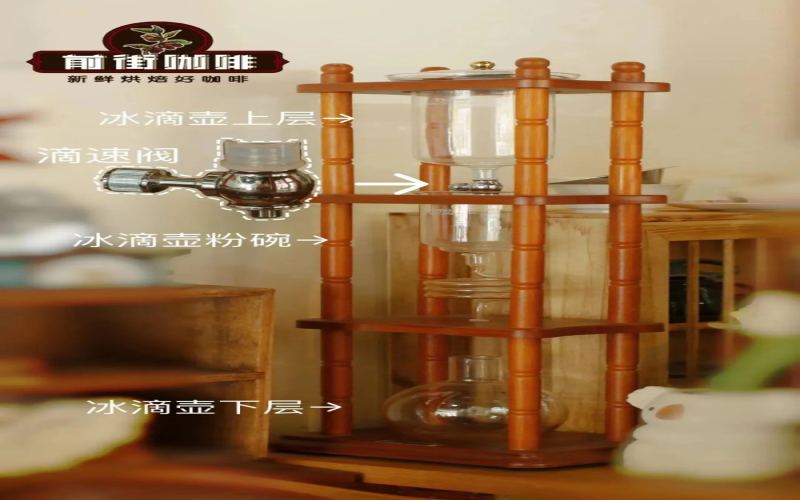
Ice drip coffee, through its pure ice drip filtration and low-temperature fermentation process, presents a mellow, sweet, and refreshingly cool taste, making it a highly favored coffee beverage in summer. Starting from the store practices of Front Street Coffee, this article systematically sorts out the differences between the two common methods of low-temperature extraction—cold brew and ice drip—and explains in detail the structure of the ice drip pot, the choice of grind size, the control of drip speed and coffee-to-water ratio, as well as the grasp of refrigeration fermentation duration. At the same time, focusing on the two major directions of refreshing floral and fruity notes and rich fruity tea notes, it recommends two coffee beans suitable for making ice drip coffee, Front Street Elida Estate Catuai and Front Street Natural Huakui, helping enthusiasts recreate at home a clean-flavored, richly layered ice drip coffee. [more…]
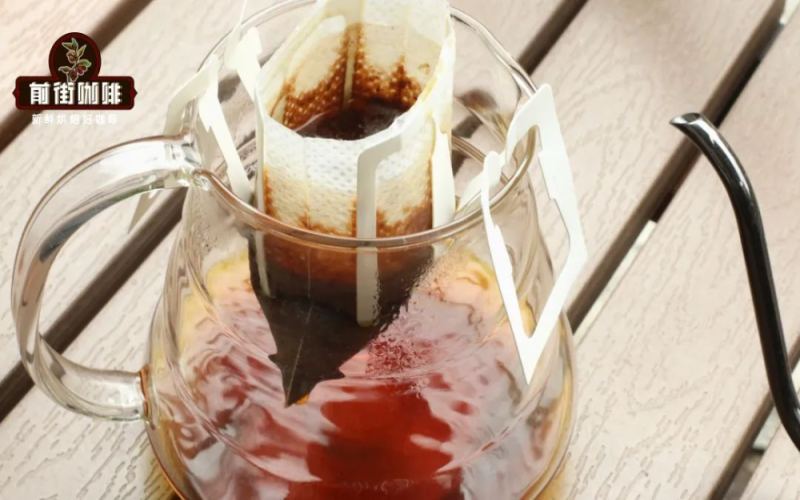
Drip Bag Coffee Brewing Tips | What to Do If a Drip Bag Clogs and Won't Drain? How to Brew a Drip Bag Coffee Pack Without Wasting It?
After reading the title, I bet some of you are already nodding and going, "Yes, yes, that's exactly what happens to me!" So scroll down quickly to clear up your confusion. You clearly followed the steps in the tutorial: tear open—hang it up—boil water—pour water—wait for it to drip through... Yet it feels like ages have passed, so why is the water still sitting on top, cof- [more…]
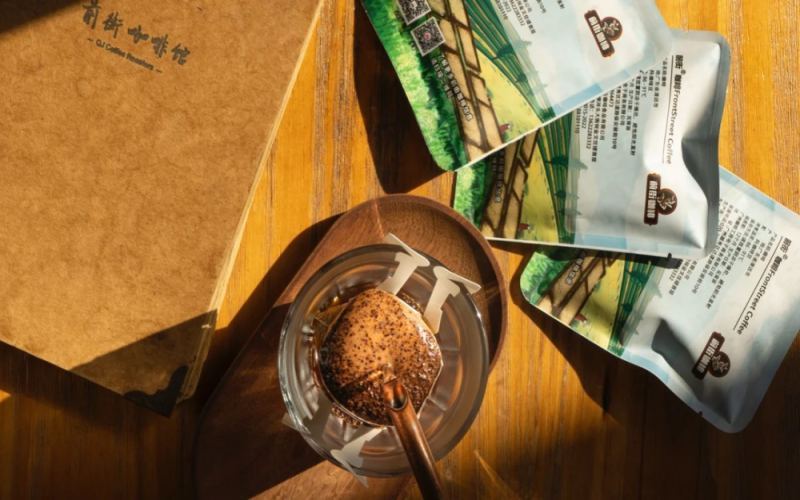
Can Drip Coffee Bags Be Reused for Multiple Brews? A Detailed Guide to the Correct Brewing Steps and Storage Tips for Single-Origin Drip Coffee
Drip bag coffee has now become a mainstream choice for convenient coffee. Compared with instant coffee that contains trans fats, it is healthier, and it is also less laborious than pour-over. The drip bag coffee series launched by Front Street Coffee makes it easy to drink whether traveling on business or at home. However, after getting a pack of drip bag coffee, how exactly should you brew it to taste good flavor? Can it be brewed a second time? This article will explain step by step the brewing process of Front Street Coffee drip bags, the coffee-to-water ratio, water temperature control, and shelf life, and introduce the flavor characteristics of three drip bags: Brazil, Yirgacheffe, and Indonesian Mandheling, helping coffee lovers brew a satisfying single-origin coffee in any scenario. [more…]
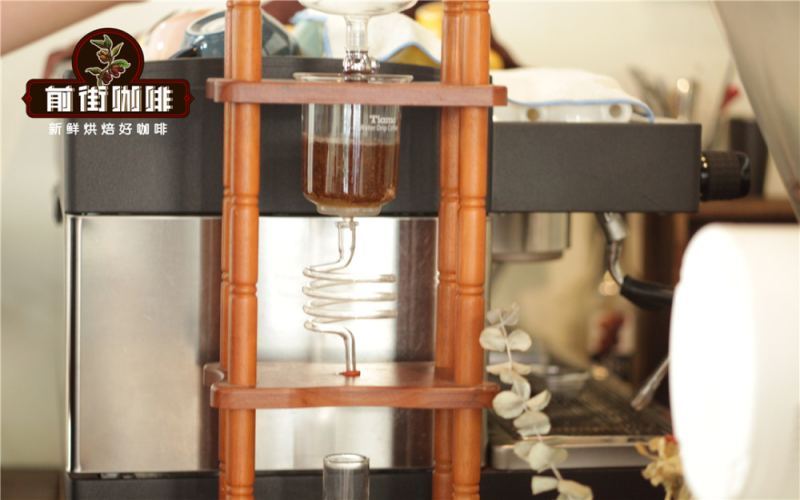
The Complete Guide to Cold Brew Coffee: Low-Temperature Extraction Principles, Brewing Steps, and Three Classic Front Street Coffee Recipes
Cold brew coffee is a brewing method that uses cold water for low-temperature extraction over a long period of time, producing a full, smooth, non-astringent and rounded cup with lower caffeine content than other brewing methods. Its history can be traced back to the Dutch invention on the island of Java in 1699, and today it has become a highly sought-after drink among coffee lovers in summer. This article will systematically introduce the origin of cold brew coffee, the extraction principle, the differences from pour-over coffee, detailed preparation steps and key points for controlling the drip rate, and share three cold brew recipes often used by Front Street Coffee — the dark berry type, the clean and crisp type, and the sweet and pleasant type — while also explaining the best drinking period and storage recommendations for cold brew coffee. [more…]
Cold Brew Coffee vs. Japanese Iced Pour-Over: A Full Analysis of Extraction Principles, Brewing Parameters, and Flavor Differences
On a scorching summer day, a refreshing glass of iced coffee always brings a unique kind of satisfaction. Cold drip coffee and cold brew coffee, as representatives of low-temperature extraction, are highly favored for their crisp taste and full-bodied flavor; while Japanese-style iced pour-over, made by adding ice to hot coffee, is known for its speed and simplicity. Starting from the practices at Front Street Coffee, this article systematically reviews the historical origins, brewing process, and equipment choices of cold drip coffee, compares the extraction logic and parameter adjustments of adding ice to hot coffee, and shares the flavor performance of medium-light roasted beans in iced coffee, helping coffee enthusiasts find the cup that suits them best in midsummer. [more…]
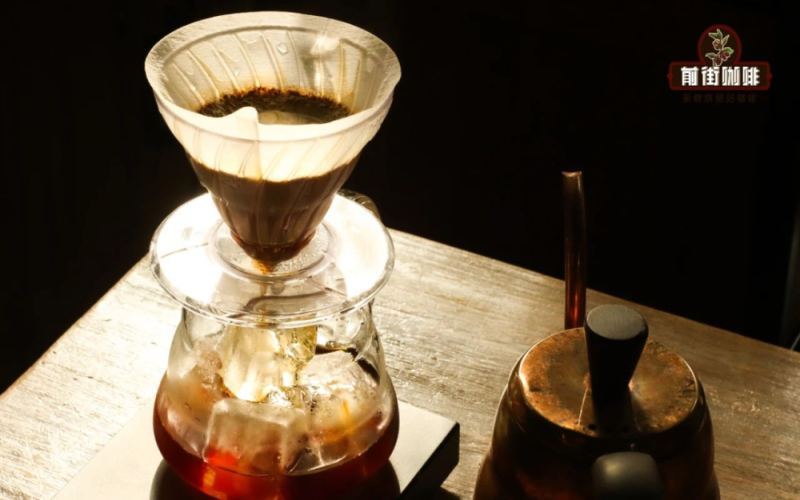
Analysis of Why Drip Bag Coffee Tastes Weak: Differences from Pour-Over and a Flavor Guide to Arabica Drip Bags
Drip bag coffee and pour-over coffee share many similarities in brewing principles, but even with the same coffee beans, pour-over usually delivers superior flavor performance. Judging drip bags by pour-over standards is inevitably somewhat demanding. The real advantage of drip bags lies in their convenience and speed, so how to brew a relatively ideal cup from them becomes a topic worth discussing. This article starts with coffee bean quality, sorts out the core differences between drip bags and pour-over, explains the flavor characteristics of Arabica beans in drip bags, and recommends several single-origin options from Front Street Coffee's bean list that are suitable for drip bags. Finally, it shares a practical brewing method with staged pouring and a total volume of about 150 to 160 milliliters, helping you enjoy a smooth cup of drip bag coffee even in a fast-paced life. [more…]
The Origins of Flannel Pour-Over Technique and Jamaican Blue Mountain Coffee, and Brewing Parameters
The flannel drip brewing method, with its unique oiliness and relatively fast filtration speed, has become a favored technique among coffee enthusiasts. It shares the same principle as paper filter drip brewing, but because the material has larger pores, it can retain more lipids, bringing a distinctive rich and mellow experience. At the same time, Jamaican Blue Mountain, hailed as a legend in the coffee world, has always occupied a high position in specialty coffee thanks to its long history, unique origin environment, and strict grading. As a representative among them, Front Street Blue Mountain Coffee has become the entry choice for many people. This article will systematically sort out the key operating points and maintenance methods of flannel pour-over, trace the origin and growing conditions of Blue Mountain coffee, and include the specific brewing parameters and techniques for Front Street Blue Mountain, helping you brew a cup of Blue Mountain coffee with outstanding flavor at home. [more…]
Complete Guide to Cold Brew Coffee Making: Standard Steps, Flow Rate Control, and Time Explained
Cold drip coffee, with its lengthy brewing process and unique layers of flavor, has always been a topic of interest among coffee enthusiasts. Completely different from cold brew, cold drip requires specialized equipment, precise control of the water drip rate, and subsequent fermentation and aging. This article will analyze in detail the standard steps for making cold drip coffee from four dimensions—grind size, drip speed, extraction ratio, and aging time—and answer the common question of "how long does it actually take to make a cup of cold drip?" At the same time, the article also compiles Front Street Coffee's practical experience and parameter recommendations in cold drip production, helping you understand the complete process of this low-temperature drip coffee in a more systematic way. [more…]
Why Does Cold Brew Coffee Take 8 Hours? An Analysis of the Extraction Principle and Key Points of Drip Rate Control
Cold brew coffee is often served in limited quantities at cafés, precisely because its production cycle usually exceeds eight hours. This type of coffee, which originated in Europe and gets its name from the Dutch invention of a distillation apparatus, is also called Dutch Coffee, distilled coffee, or water-drip coffee. It relies on condensed natural osmotic water pressure to let cold water drip through the coffee grounds one drop at a time, continuously extracting at a low temperature of about 5°C for several hours. The flavor of the finished product varies depending on the roast level, water volume, water temperature, drip rate, and grind coarseness. It has a rich, smooth, and refreshingly icy taste, making it the foundation for drinking straight in summer or for making iced coffee. Front Street Coffee's cold brew recipe also emphasizes the coordination between drip rate and grind. Below, we'll break down its extraction principles and time control. [more…]
Cold Brew, Ice Drip, Nitro Coffee, and Iced Americano: Process Differences, Flavor Comparison, and Home Methods for Four Types of Cold Coffee
Even though they are all iced coffees, cold brew, ice drip, nitro cold brew, and iced Americano actually differ greatly in their extraction methods and flavor profiles. Cold brew soaks coffee grounds in cold water for a long time, taking about 8 to 12 hours to complete, and has a mellow, sweet taste with lower acidity; ice drip, on the other hand, lets ice water pass through the coffee grounds drop by drop, followed by several hours to dozens of hours of refrigerated fermentation, resulting in a more delicate aroma. Nitro cold brew creates dense bubbles and a beer-like texture by injecting nitrogen. Iced Americano is made by cooling and diluting espresso after high-temperature extraction. This article will review the production processes, advantages and disadvantages, and market trends of these coffees, and include practical tips for making cold brew at home, while also retaining bean recommendations such as Front Street Indonesia Mandheling and Front Street Ethiopia Yirgacheffe. [more…]
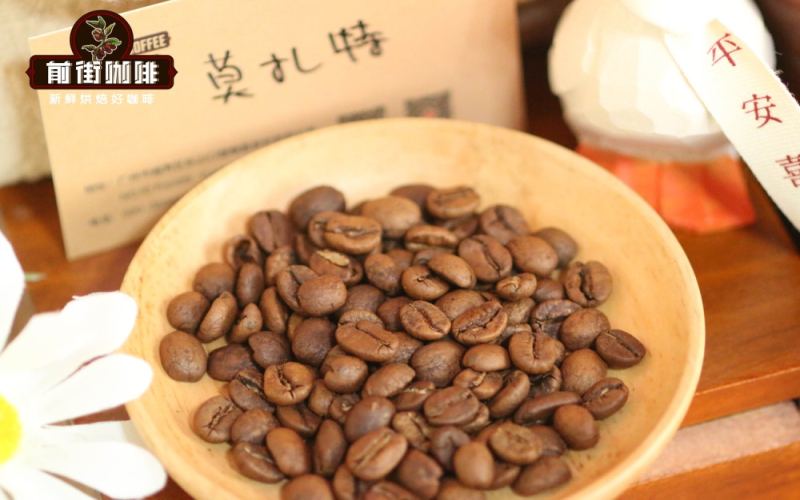
Iced Coffee Brewing Methods | How long does it take to make cold drip coffee? What are the taste and flavor characteristics of cold drip coffee? What is the extraction principle of cold drip coffee?
There are many ways to brew coffee, and cold drip is one of them. Cold drip coffee is also a type of iced coffee, and in summer, iced coffee is even more of a favorite among coffee lovers. Cold drip coffee is naturally not brewed with hot water, but with low-temperature water, which is different from our usual pour-over coffee. [more…]
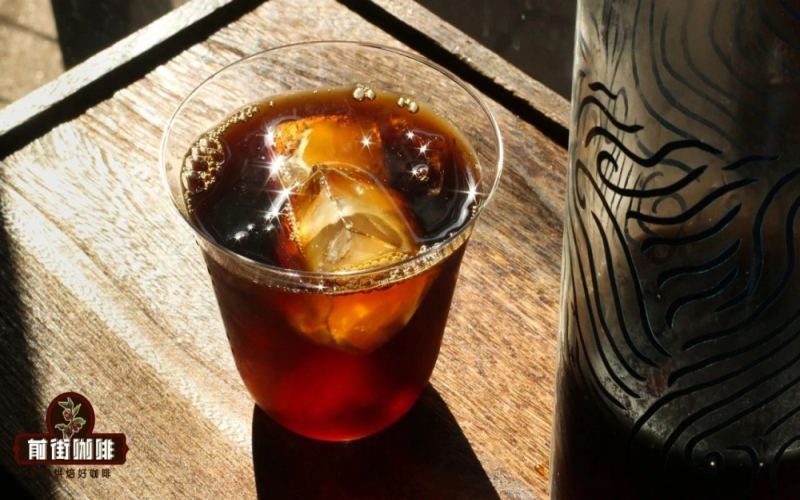
Ice Drip Coffee vs. Cold Brew Coffee: Key Differences Explained — From Bean Selection to Extraction, Front Street Coffee Shares Five Keys to Making Ice Drip Coffee
Although ice drip coffee and cold brew coffee both fall under the category of cold drinks, they differ noticeably in equipment structure, extraction principles, and operational details. Drawing on practical experience from Front Street Coffee shops, this article systematically breaks down the key points of making ice drip coffee, covering five major factors: coffee bean selection, grind size, drip rate, coffee-to-water ratio, and drinking method, along with specific parameter recommendations. Whether you are a beginner just getting into ice drip or an enthusiast hoping to improve the consistency of your brews, you will find practical operational ideas to reference here. [more…]
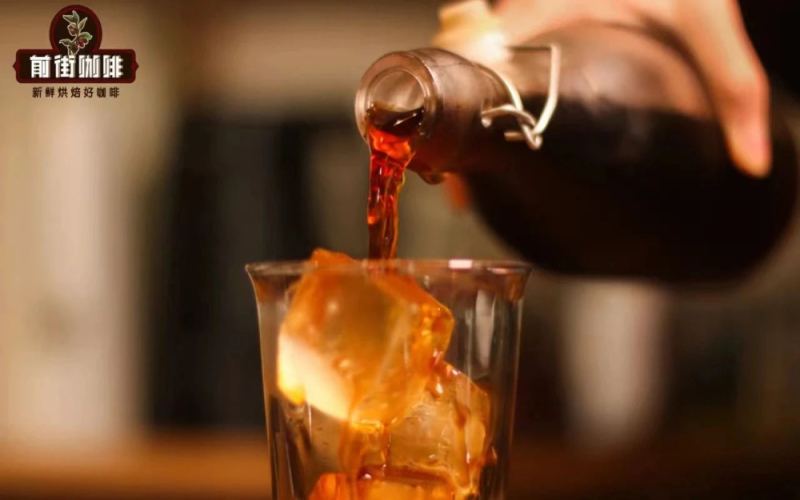
How to Make Cold Brew Coffee Taste Great? A Full Guide to Grind Size, Drip Rate, and Coffee Bean Selection
Cold brew coffee is loved by coffee enthusiasts for its rich yet refreshing flavor and its natural fermented, wine-like aroma, achieved by slowly dripping ice water through coffee grounds. Making cold brew is actually not complicated; the key lies in choosing the right equipment, controlling the grind size and drip rate, and selecting the right coffee beans. If the grind is too coarse, the flavor will be thin; if it's too fine, it will easily clog and cause water to pool, bringing out bitterness. Front Street Coffee recommends using a No. 20 standard sieve with 80-85% grind size, controlling the drip rate at about 7 drops per 10 seconds, with 60 grams of grounds taking about 6 hours. After dripping, it still needs to be placed in the refrigerator for low-temperature fermentation for 12 hours to reach optimal flavor. This article will explain in detail the brewing parameters and bean selection approach for cold brew coffee. [more…]
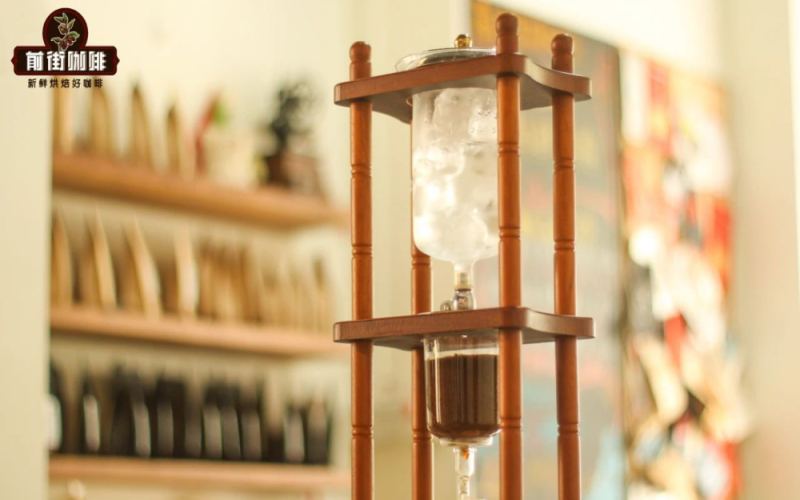
How does Queen's Estate cold brew coffee taste? Analyzing the advantages of medium-dark roasted beans in cold brew extraction
Cold brew coffee is a popular method for making cold coffee in hot weather, and choosing the right beans often determines the quality of the final product. This article uses Front Street Coffee's Brazil Queen's Estate beans as an example to document in detail the key parameters for cold brew production, including the ratio, grind size, and drip rate, and explains step by step the complete process from adding grounds and pre-wetting to refrigerated oxidation. At the same time, the article will explain why medium-dark roasted coffee beans are more suitable for making cold brew, and how Queen's Estate cold brew ultimately presents chocolate, nut, and peanut aromas, with a smooth mouthfeel, low acidity, and a sweet aftertaste. If you are looking for a bean suitable for cold brew, or want to improve the consistency of cold brew extraction, this content will provide specific and actionable references. [more…]